RESOURCES
One of INHP's main goals is to educate clients on every step of the homebuying process. Beyond advising programs and classes, this online resource page features hot housing topics and defines some of those tricky lending industry terms.
HOT TOPICS







GLOSSARY OF LENDING TERMS

The glossary of terms below helps translate lending lingo into common language. (Definitions provided by the Housing Partnership Network and INHP.)
Electronic network used for transferring money between banks, used often to send payment from your bank to pay a bill.
Ongoing U.S. Census Bureau survey that provides demographic, economic, and housing data.
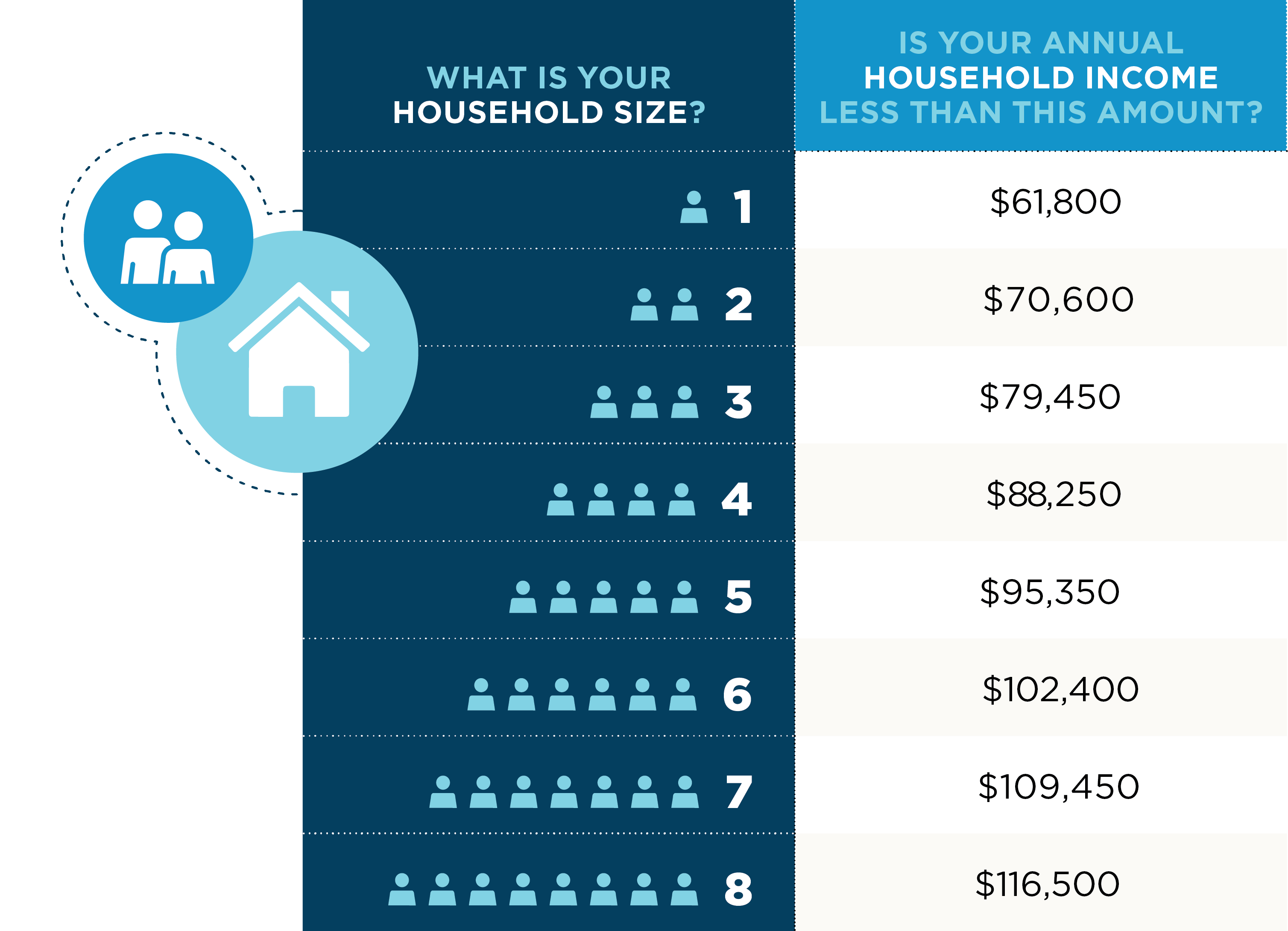
The midpoint income for a region, used to determine eligibility for many housing programs.
The yearly cost of borrowing money, including interest and
fees.
The initial loan amount determined by subtracting the required down payment from the purchase price. It is not the total loan amount.
Fees and expenses paid during the final steps of purchasing a home, separate from the down payment. Typical closing costs include charges for the mortgage loan such as origination fees, discount points, appraisal fee, survey, title insurance, legal fees, real estate professional fees, prepayment of taxes and insurance, and real estate transfer taxes.
The ratio of all loans on a property compared to the property’s value.
A number that reflects a person’s credit history and ability to repay debt. Lenders use your credit score to determine rates
and eligibility. Credit Scores Range: 800-850 = Exceptional; 740-799 = Very Good; 670-739 = Good; 580-669 = Fair; Below 580 = Poor.
The percentage of a borrower’s monthly income that goes toward debt payments.
A broken promise on a loan contract, usually activated by a borrower missing a loan payment, does not pay property taxes, or lets their home insurance expire. It acts as an official warning before the lender starts the legal process to foreclose on the home.
A legal document used to secure a home loan.
The upfront amount paid toward the purchase of a home. The remainder of the purchase price is typically funded by a mortgage loan.
Funds provided by a third party which can be used to offset a portion of the purchase price.
A deposit made by a buyer to show serious intent to purchase a home. This is typically committed by the buyer at the time they place an offer on a property, and is not the same as a down payment.
A neutral account managed by a third party where money or
documents are temporarily held during a real estate transaction. An escrow account is also created after the point of purchase to hold funds for property taxes and homeowner’s
insurance.
Federal law prohibiting discrimination in housing.
These loans are insured by the Federal Housing Administration and are designed for borrowers who are unable to make a large down payment.
A home loan with an interest rate that stays the same over time.
A temporary agreement where a lender allows a borrower to pause or reduce payments during a financial hardship, rather than forcing immediate payment or foreclosure.
The legal process where a lender takes ownership of a property after missed mortgage payments.
An evaluation of a property's condition before purchase.
An organization that manages shared community spaces and
rules in certain neighborhoods or developments.
Insurance that protects a home and belongings against damage or loss.
Rental assistance programs, often funded through HUD.
Federal agency overseeing national housing programs and policies.
The percentage charged by a lender for borrowing money.
Federal tax credit often used for renewable energy improvements, such as solar installations.
Legal agreement that limits how a property can be used, often tied to affordable housing requirements.
A lender is a financial institution that makes loans directly to a consumer. Different lenders offer different types of loans, and you’ll want to explore your options with multiple lenders.
An amount that can be covered by the lender to cover all or some of the borrower’s closing costs.
The number of monthly payments required to pay back the loan completely. Maximum income/AMI: The U.S. Department of Housing and Urban Development (HUD) sets income limits that determine eligibility for assisted housing programs. The limits are based on Area Median Income (AMI).
Financial metric used by banks to measure lending activity compared to deposits.
Ratio of a loan amount compared to the appraised property value.
Households earning up to 120% of Area Median Income. Note:
Assistance programs have varied eligibility, and often different
definitions of income limits as well.
The largest federal program in the United States dedicated to
financing the development and rehabilitation of affordable rental housing. Instead of giving direct government grants to build affordable housing, the federal government issues tax credits to state housing agencies.
Residential properties available for rent or purchase at prices
determined by supply and demand, rather than being restricted by government subsidies or price controls. These prices fluctuate based on location, amenities, and current economic conditions.
A non-binding agreement outlining responsibilities or intentions between parties.
A geographic region centered around a major city and surrounding communities.
Housing affordable to households earning roughly 60%-120% of Area Median Income between subsidized and market-rate housing.
Typically, borrowers making a down payment of less than 20 percent of the purchase price of the home will need to pay for mortgage insurance. Mortgage insurance lowers the risk for the lender, so you can qualify for a loan that you might not otherwise be able to get.
A lender’s preliminary review showing how much a buyer may be able to borrow.
Expenses a homebuyer pays at closing. Prepaids can include taxes, hazard insurance, private mortgage insurance, interest, and special assessments.
The four main parts of a monthly mortgage payment.
Insurance often required by a lender when a buyer makes a down payment of less than 20%.
This describes the kind of property being sold and could include a single-family home, duplex, condominium, etc.
Legal contract outlining the terms of a home purchase.
This is one way lenders measure one’s ability to manage monthly payments and repay debts. This is calculated by dividing the projected housing payment and other monthly obligations by gross monthly income and is expressed as a percentage.
Replacing an existing mortgage with a new loan, often to lower
payments or interest rates.
The total amount financed in a loan. This can include the purchase price with the down payment and any fees or closing costs associated with the loan.
The lender’s process for reviewing and approving a loan application.
Anyone who takes out a FHA loan is required to pay this premium, typically financed into the loan.
A percentage of the loan amount which varies based on the type of loan and your military category, if you are a first-time or subsequent loan user, and whether you make a down payment. The funding fee is typically financed into the loan.
NOT SURE WHERE TO BEGIN?


UNDERSTAND YOUR JOURNEY
Everyone’s homeownership journey is different. From preparing your finances to becoming pre-qualified for a home loan, INHP will help you understand your journey every step of the way.
ASK A QUESTION
Want to know if INHP is right for you? Use our Contact Us form and a member of the INHP team will contact you within two business days to help you determine which solutions INHP may be able to offer you.